
How cities govern through nonprofits
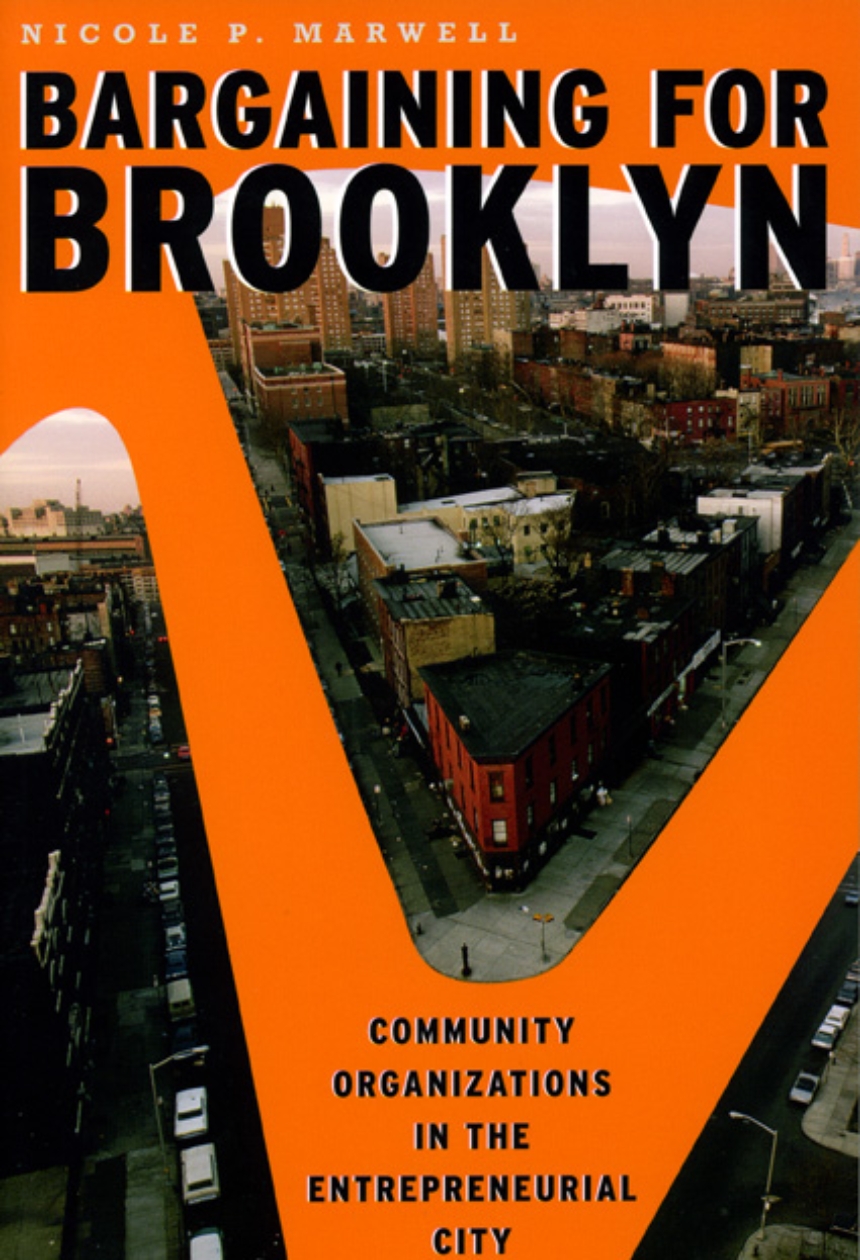
The political economy of social-service contracting, the micro-relations linking city hall to neighborhood organizations, and the costs of evidence-based evaluation mandates.
View work →I study how organizations govern cities — the nonprofits, public bureaucracies, and emerging technologies through which urban life is shaped, funded, and contested.

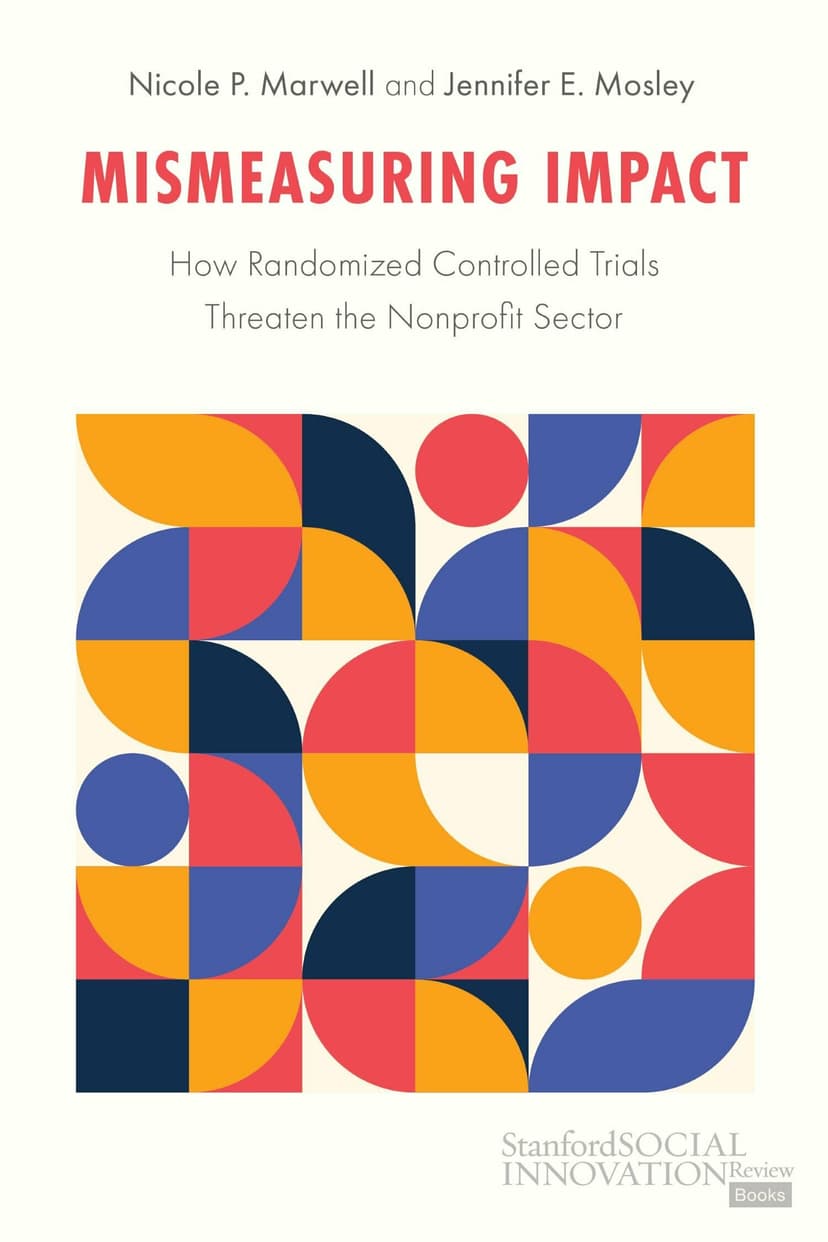
Professor at the University of Chicago Crown Family School of Social Work, Policy, and Practice. Author of Mismeasuring Impact (Stanford University Press, 2025).
How do organizations mediate the core processes of urban life — and what happens when technology and evidence reshape the rules?

The political economy of social-service contracting, the micro-relations linking city hall to neighborhood organizations, and the costs of evidence-based evaluation mandates.
View work →New measurement methods documenting disparities in internet access, affordability, and performance across race and income — and the politics of federal broadband policy.
View work →An interdisciplinary collaboration investigating how artificial intelligence challenges the rules and practices of governance — and what that means for innovation and risk.
View work →
Mismeasuring Impact
Nonprofits are increasingly pressed to prove their worth through randomized controlled trials. This book explains why the “gold standard” of evaluation is so often the wrong tool for the nonprofit sector — what happens inside organizations that take part, the equity problems it creates, and what to do instead.
Two books and three decades of research across sociology, public administration, and computer science — with abstracts, links, and one-click citations.